
Hydroponics Growing System


 Loading...
- Resource Type
- Project
- Subjects
- Biology Earth Science
- Topics
- Climate Change Ecosystems Scientific Inquiry Sustainability
- Time for activity
- 45 Minutes
A science project setting up small hydroponic systems to grow plants without soil and monitor their growth.
 S
S
 T
T
 E
E
 M
M
Related
Sustainable Development Goals
- Introduction
-
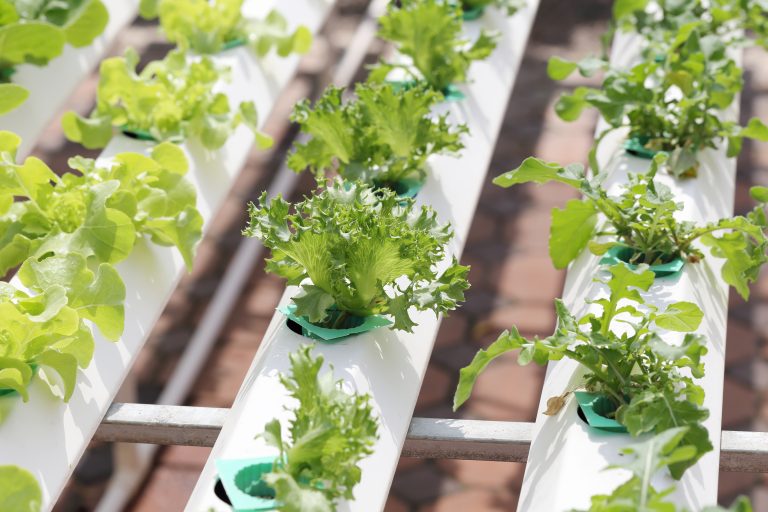
Hydroponic farmers and agricultural technologists grow plants without soil by using nutrient-rich water solutions. This method saves water and allows food to be grown in cities and regions with poor soil. Hydroponics can produce vegetables and herbs year-round inside greenhouses or vertical farms, reducing the need for transporting food long distances. Workers in this field develop systems to monitor nutrients, light, and plant health using sensors and automation. These green jobs are important for making agriculture more sustainable, especially as global populations increase and farmland becomes more limited. Hydroponic farming helps support food security and reduce the environmental impact of food production.
- Key Objectives
-
- Introduce learners to hydroponic growing systems and how plants can grow without soil using controlled water-based environments;
- Explore nutrient-rich water solutions and how essential minerals support plant growth and food production;
- Examine the use of sensors and automation to monitor light, nutrients, and plant health in sustainable agriculture systems;
- Guiding Questions
-
- How can plants grow without soil in a hydroponic system?
- Why is controlling nutrients, light, and water important for plant health and productivity?
- How can hydroponic farming help make food production more sustainable in cities and areas with limited farmland?