
Wind Power Challenge


 Loading...
- Resource Type
- Project
- Subjects
- Earth Science Engineering Physics
- Topics
- Climate Change Ecosystems Electricity Energy Engineering Process Scientific Inquiry Sustainability
- Time for activity
- 35:00
A hands-on engineering activity where students design and test paper windmills to lift weights using wind energy.
 S
S
 T
T
 E
E
 M
M
Related
Sustainable Development Goals
- Introduction
-
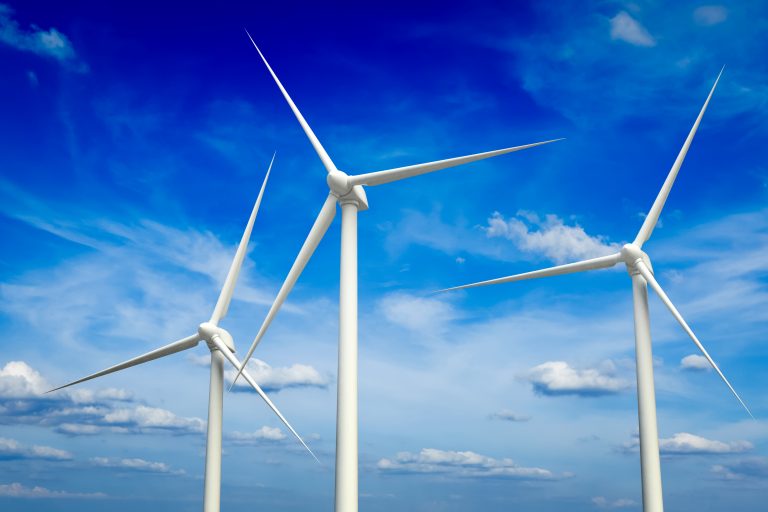
Wind turbine technicians and engineers work on the tall towers and huge spinning blades of wind turbines. These machines turn moving air (wind) into electricity, which can power entire neighborhoods without producing pollution. Wind is a renewable energy source because it keeps blowing and doesn’t run out. Wind farms – large groups of wind turbines – are found in places with lots of wind, such as on hills or near the sea. Workers in this field must understand engineering, electricity, and even weather patterns to make sure turbines work safely and efficiently. Wind power helps reduce the need for fossil fuels and supports clean energy goals. As more countries aim to lower their carbon emissions, more green jobs are opening up in the wind energy industry.
- Key Objectives
-
- Understand cause and effect by exploring how wind energy creates movement and can do work (lifting weight).
- Apply basic engineering skills by designing, testing, and improving a windmill in a team.
- Make simple measurements and comparisons to decide which design works best.
- Guiding Questions
-
- How does wind make the windmill move and lift the beans?
- What happens when we change the shape or angle of the blades?
- How is our windmill like real wind turbines that make electricity?