
Giant Recycling Sorting Game


 Loading...
- Resource Type
- Project
- Subjects
- Earth Science
- Topics
- Ecosystems Scientific Inquiry Sustainability
- Time for activity
- 25:00
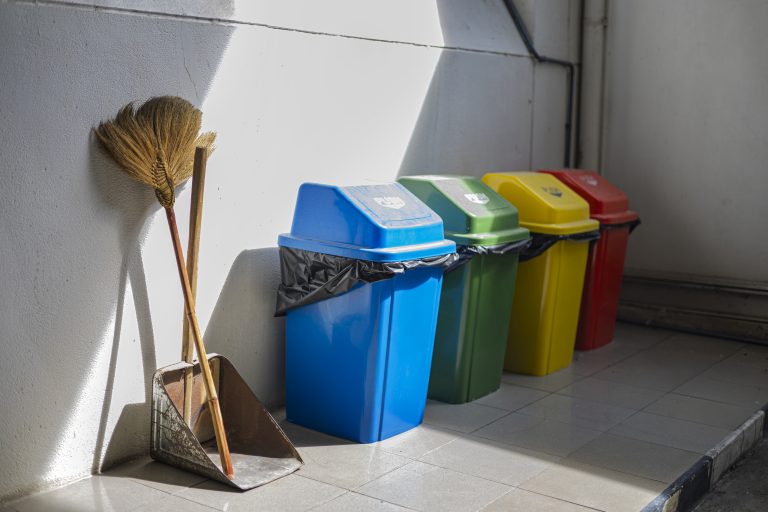
An interactive team game where students race to sort oversized recyclable items into the correct bins.
 S
S
 T
T
 E
E
 M
M
Related
Sustainable Development Goals

- Introduction
-
Recycling workers, materials recovery operators, and waste management specialists collect and process materials like paper, glass, metal, and plastic so they can be made into new products. Recycling saves energy, reduces pollution, and helps conserve natural resources like trees and minerals. For example, recycling paper saves trees and water, while recycling metals saves energy used in mining. These workers sort materials at recycling centers, manage the trucks that collect recyclable waste, and develop new ways to reuse materials in the circular economy. Recycling plays an important role in protecting the environment by reducing the amount of garbage sent to landfills and oceans. Green jobs in this field are growing because communities everywhere want to reduce waste and build more sustainable lifestyles.
- Key Objectives
-
- Practice Waste Sorting Skills: Students identify and place oversized recyclable items (paper, plastic, metal, glass) into the correct bins.
- Build Teamwork and Speed: Players work in teams, racing against time while cooperating and communicating effectively.
- Increase Recycling Awareness: The game reinforces correct recycling habits and the importance of reducing waste in a fun, active way.
- Guiding Questions
-
- Which bin does each recyclable item belong in, and why?
- How can teamwork and communication help the team sort items faster and more accurately?
- What happens to these materials after they are recycled, and how does this help the environment?